
Understanding Reflux and Low Stomach Acid
Designed by Magnific www.magnific.com
Reflux and Low Stomach Acid: Understanding a Surprising Connection
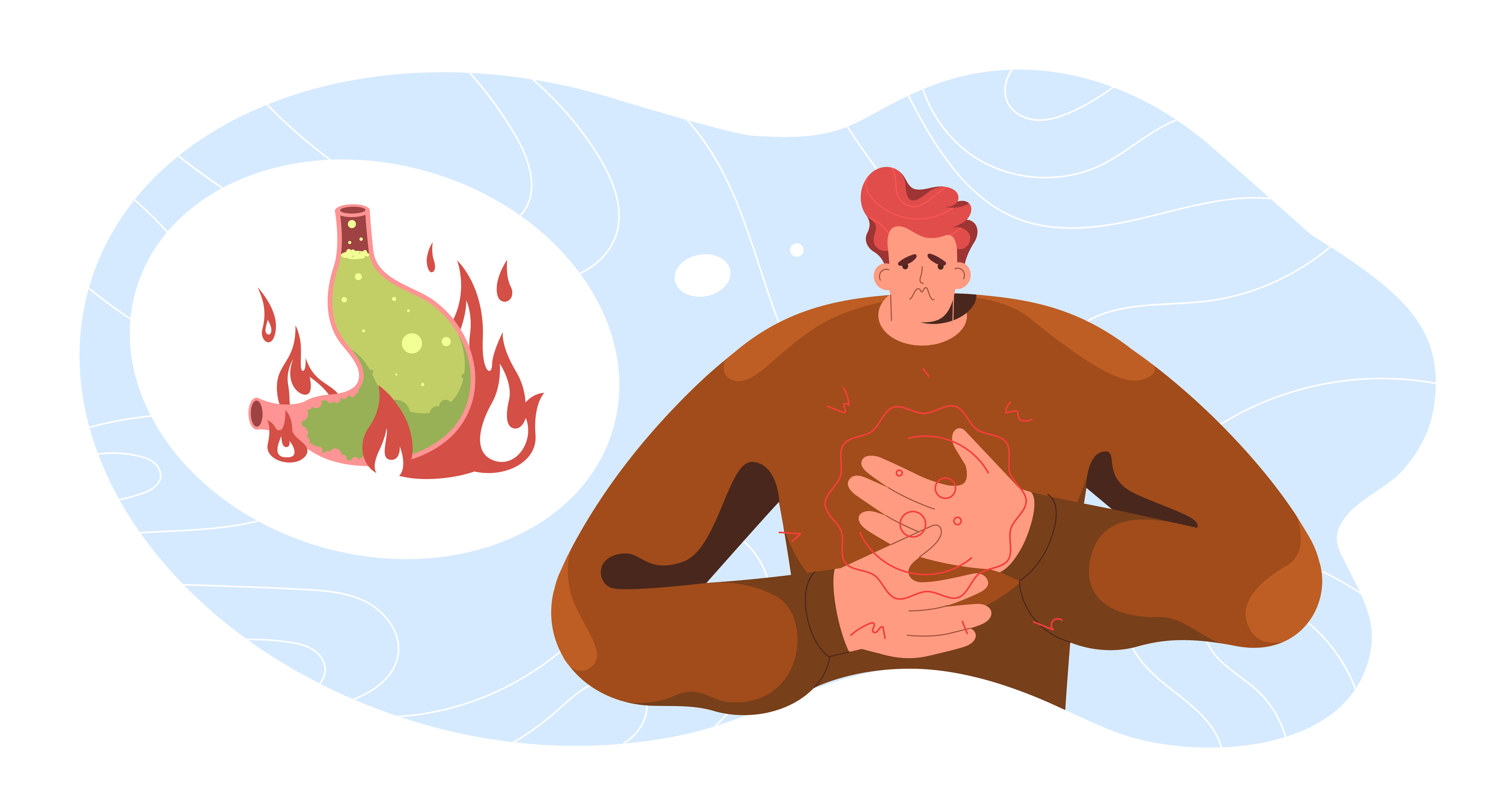
Acid reflux is commonly reported by clients seeking support with digestive complaints. For many people, burning sensations in the chest and a sour taste in the mouth, are normally thought to be the result of too much stomach acid.
But within kinesiology and other integrated holistic therapies, we often see that reflux symptoms can actually arise from low stomach acid (hypochlorhydria).
This may sound surprising, but by understanding it we can change the way we support our digestive system and as such massively improve our overall health.
Why Stomach Acid Matters
Stomach acid (hydrochloric acid, or HCl) plays several vital roles in digestion and overall health:
- Breaks down proteins
- Activates digestive enzymes
- Kills harmful pathogens
- Signals the lower oesophageal sphincter to stay closed
- Ensures proper movement of food
With weaker stomach acid, food does not break down as efficiently. This means it sits in the stomach longer, fermenting and producing gas. The resulting pressure pushes upward toward the oesophagus, forcing the lower oesophageal sphincter to open.
The lower oesophageal sphincter is designed to close tightly when acidity increases. But when stomach acid is too low, the sphincter may relax at the wrong times, allowing even small amounts of acid to escape upward.
Fermentation of undigested food creates gases that can rise into the oesophagus. Even though the stomach isn't overly acidic, the gas can carry enough acid droplets to irritate tissues.
Low HCl can contribute to:
- bloating
- belching
- nausea
- slow digestive transit
- imbalance in gut bacteria
- SIBO
- Candida
- Diarrhea and constipation
These symptoms can overlap with or trigger reflux episodes.
A Kinesiologist's Perspective
Kinesiology views the body holistically and as such reflux is frequently found to be linked to a wide ranger of imbalances including:
- heightened stress
- structural dysfunction of the Ileocaecal valve and Houston valve
- nutritional deficiencies
- patterns of overeating or rapid eating
- food sensitivities increasing inflammation
Through techniques such as muscle testing, structural assessment, discovering relevant underlying stress factors and food sensitivity testing, kinesiology can help identify why stomach acid may below and support the body in rebalancing the digestive system naturally.
Supporting Healthy Stomach Acid Naturally
While individual needs vary, common supportive strategies include:
- Eating slowly
- Reducing stress before meals
- Avoiding large fluid intake with meals
- Taking Digestive Enzymes
- Balancing gut flora
- A wholefood approach to eating
- Limiting frequent snacking
Final Thoughts
Reflux isn't always a sign of too much stomach acid—sometimes it's the opposite. Low stomach acid can create multiple digestive issues that ultimately push acid upward and irritate the oesophagus. By understanding the root-cause practitioners and clients can explore ways to achieve effective long-term relief.